
This page contains affiliate links. If you buy through them, we may earn a commission at no additional cost to you. Read our affiliate disclosure.
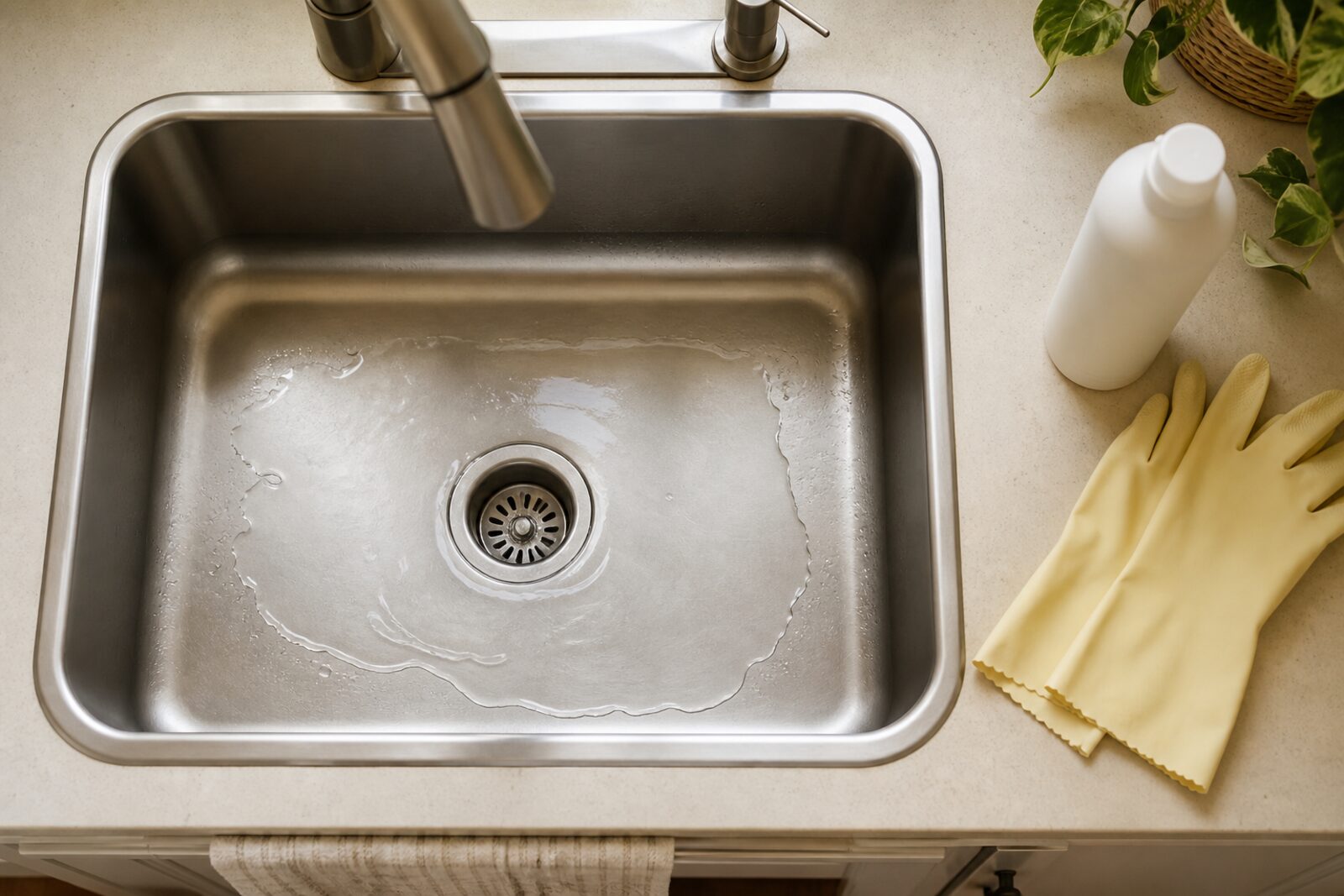
Standing water in the shower, a kitchen sink that gurgles and drains an inch an hour, a bathroom drain that smells faintly of old food — most of us reach for a bottle before we reach for a phone. This guide compares six widely sold drain cleaners across the main chemistry types (caustic, acid, and enzymatic) plus one mechanical tool, based on manufacturer safety data, ingredient labels, and patterns across owner reviews. The honest starting point: chemical drain cleaners are for simple, soft clogs — hair, soap scum, grease — a few feet down the pipe. They are not a fix for a fully blocked drain, a disposal, a toilet, or a problem further down the line, and using the wrong one in the wrong spot can make things worse.
- Green Gobbler Dissolve Drain Clog Remover — Best Overall
- Drano Max Gel Clog Remover — Best for Slow-Draining Sinks
- Liquid-Plumr Clog Destroyer Plus — Best for Kitchen Grease Clogs
- Instant Power Hair and Clog Remover — Best for Hair Clogs
- Bio-Clean Drain Septic Bacteria — Best Enzyme / Septic-Safe Pick
- Cobra Zip-It — Best Chemical-Free Option
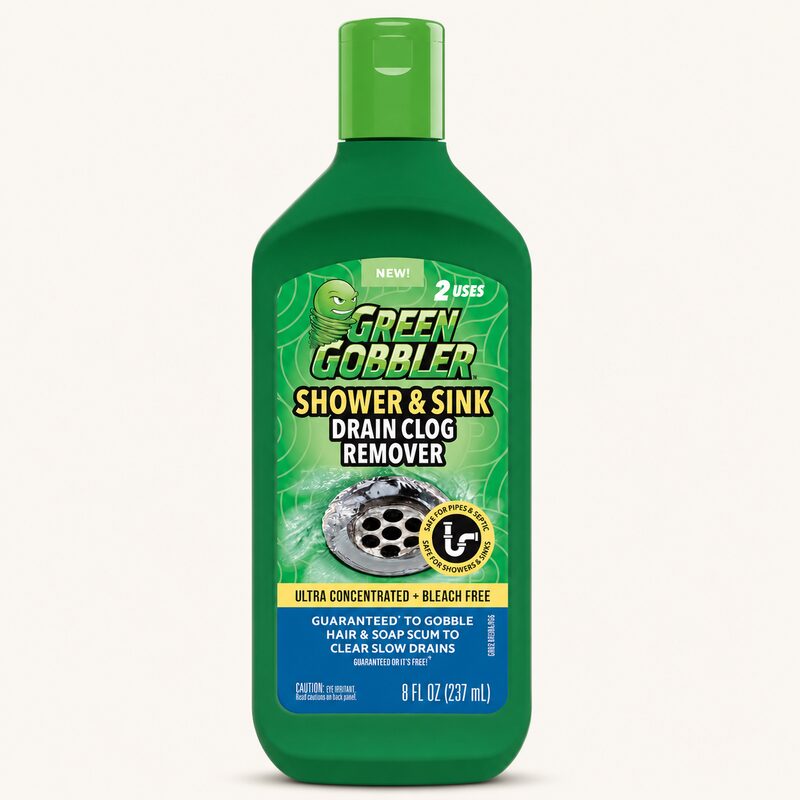
Green Gobbler Dissolve Drain Clog Remover
Green Gobbler Dissolve is an acid-based opener (sulfuric acid): it generates its own heat and cuts through hair, grease, and soap even in a sink full of standing water, where lighter gels just float on top. It runs $10–$15 at hardware and big-box stores, and calls for gloves, eye protection, and ventilation — never combine it with another drain product, and it's a poor match for disposals, toilets, or older/corroded pipes. Owner reviews consistently describe it clearing stalled drains gel cleaners had already failed on — the strongest option here, not the gentlest.
- Works through standing water
- Effective on tougher, longer-standing buildup
- Widely available and reasonably priced
- Requires gloves, eye protection, and ventilation
- Not for disposals, toilets, or corroded old pipes
- Never mix with other drain cleaners or residue
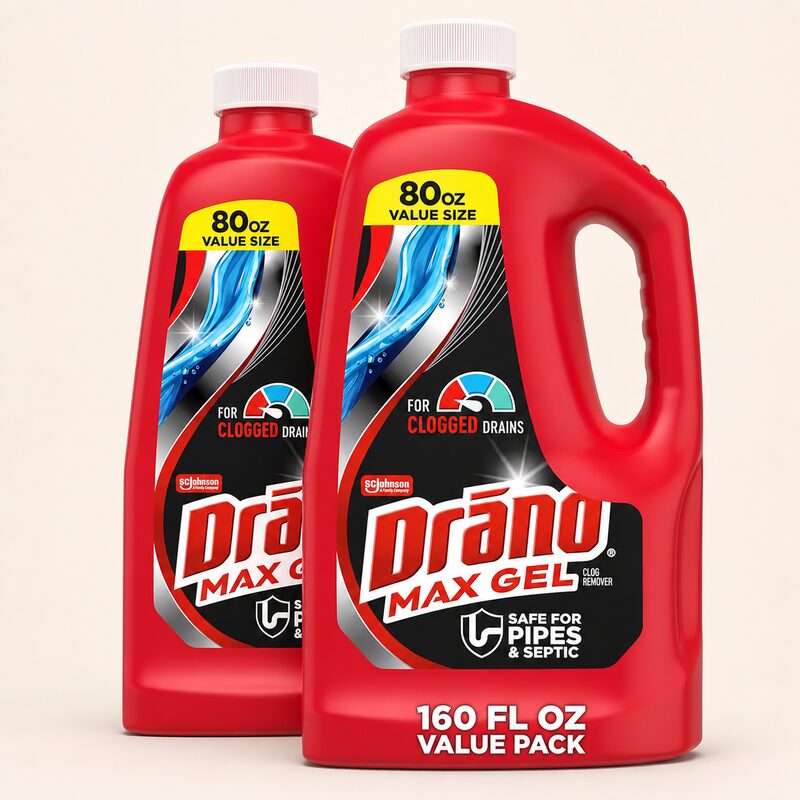
Drano Max Gel Clog Remover
Drano Max Gel is a caustic, sodium-hydroxide-based cleaner — the default drugstore drain fix for decades. The thick gel sinks through standing water and clings to the pipe wall instead of washing past the clog, a solid match for a sink that's slow rather than fully stopped. A bottle runs $8–$12 at nearly every grocery store. It's built for soft organic clogs — hair, soap film, light grease — near the trap, won't touch a blockage further down the line, isn't meant for toilets or disposals, and old or damaged metal piping calls for extra caution with any caustic product.
- Gel clings to pipe walls, works through standing water
- Widely available at a low price point
- Gentler chemistry than acid-based openers
- Not effective on fully blocked drains
- Label limits how often it can be reused
- Not for toilets or garbage disposals
Liquid-Plumr Clog Destroyer Plus
Liquid-Plumr's Clog Destroyer Plus is another caustic gel, positioned around kitchen clogs built from cooking grease, food residue, and soap — different from the hair-and-soap-scum clogs that dominate bathroom drains. Price is comparable to Drano, $8–$12. It needs the full label time to work, isn't designed for several inches of standing water, and isn't intended for disposals or toilets. Per owner reviews it underperforms on pure hair clogs, where a dedicated hair-clog product is the better call.
- Formulated for grease and food-residue clogs
- Comparable price to other major gel brands
- Straightforward pour-and-wait application
- Less effective on hair-dominant clogs
- Doesn't work well through deep standing water
- Not for toilets, disposals, or frequent reuse
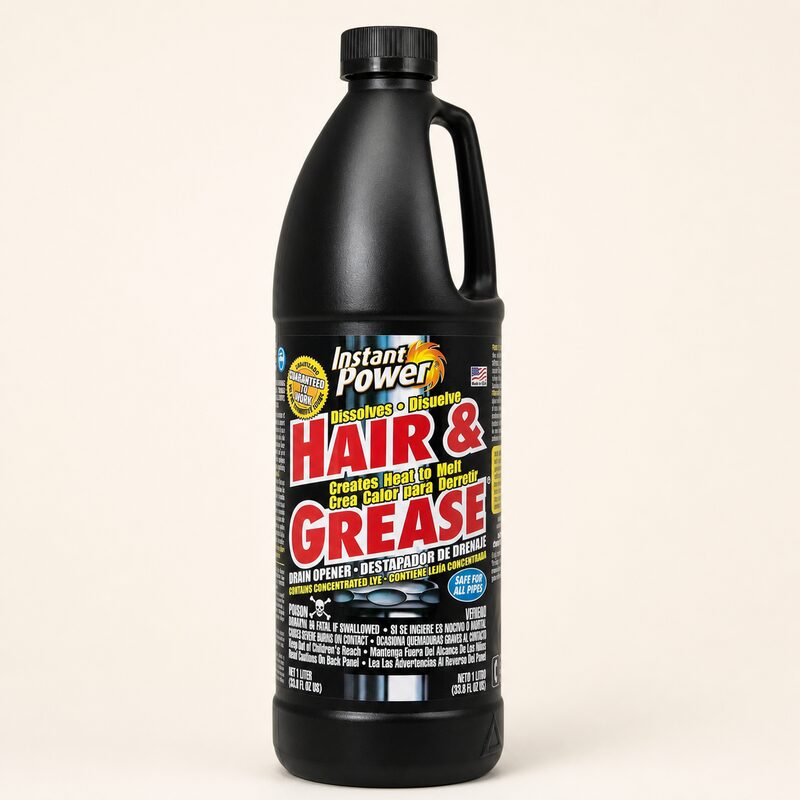
Instant Power Hair and Clog Remover
Instant Power's Hair and Clog Remover is marketed narrowly around the most common bathroom drain problem: hair. It's acid-based, with the label describing fast action — starting to break down clogs within a minute or two rather than a long soak. A bottle runs $6–$10 at most hardware stores and drugstores. The same acid cautions apply — gloves, eye protection, ventilation, never combined with another drain product already in the pipe — and it's built for shower and bathroom drains, not disposals, toilets, or septic systems. Owner reviews consistently note it beats gel competitors on hair clogs but isn't the pick for grease-heavy kitchen clogs.
- Fast-acting on hair clogs specifically
- Inexpensive and widely available
- Compact bottle, easy to keep under the sink
- Acid-based — requires gloves, eye protection, ventilation
- Not septic-safe; not for toilets or disposals
- Narrow use case; not suited to grease clogs
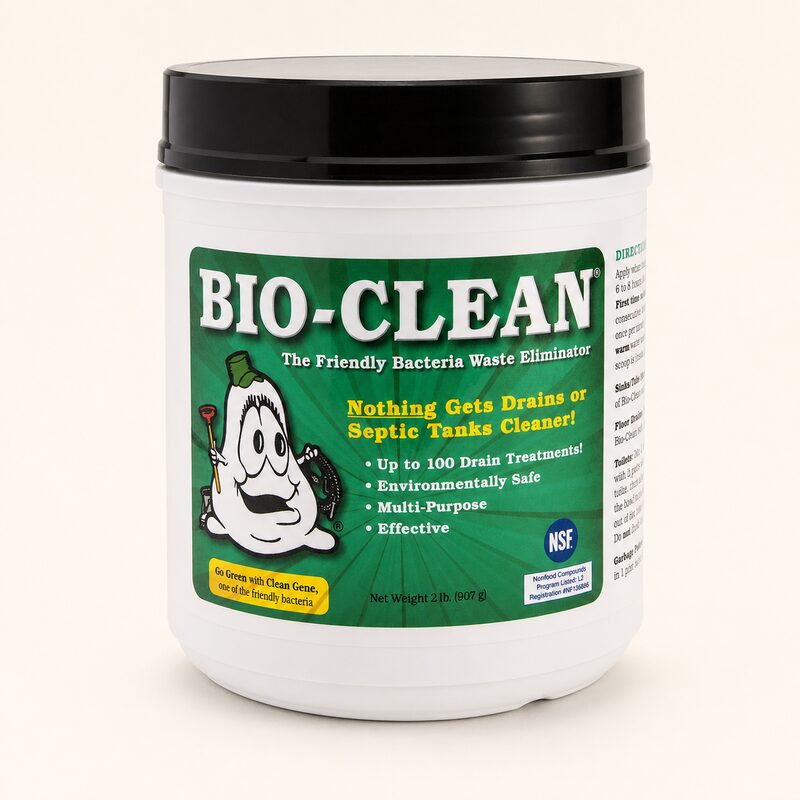
Bio-Clean Drain Septic Bacteria
Bio-Clean is a bacterial/enzymatic product, not a chemical one — it introduces bacteria that feed on the organic buildup (hair, grease, soap, food waste) inside drain lines and septic systems, working over hours to days rather than dissolving a clog on contact. Canisters run $20–$40, sold through hardware stores and online. With no caustic or acid chemistry, it's safe for septic systems and all pipe materials, but it's not a fix for an actively overflowing sink needed cleared tonight. Owner reviews split cleanly: people using it as monthly maintenance report clearer drains over time, while people expecting an instant fix are often disappointed.
- Septic-safe and gentle on all pipe materials
- No caustic or acid chemicals, no fumes
- Good for ongoing clog-prevention maintenance
- Slow — works over hours or days, not minutes
- Not a fix for an actively overflowing drain
- Higher upfront cost than a bottle of gel
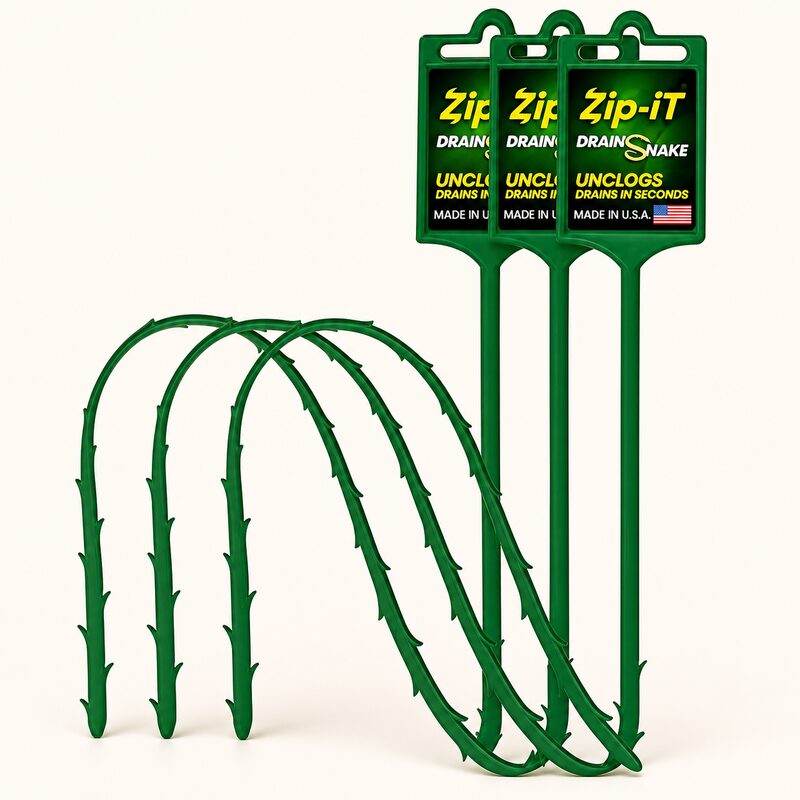
Cobra Zip-It
The Zip-It is a thin, barbed plastic strip — no chemicals at all. Feed it a foot or two down the drain, twist, and pull, and the barbs catch hair on the way back out. It costs $3–$6 for a pack and is sold nearly everywhere; for a hair clog near the drain opening it's often faster and cheaper than any bottle, with no chemical exposure. Its limitation is reach: it only clears what its length can physically reach, does nothing for grease or soap-scum buildup, and pulling it out brings the clog with it — unpleasant but effective, per owner reviews. It pairs well with an enzymatic maintenance product like Bio-Clean afterward.
- No chemicals, no fumes, no pipe-safety concerns
- Very inexpensive; reusable within one clearing session
- Fast for hair clogs near the drain opening
- Limited reach — can't address deeper clogs
- Does nothing for grease or soap-scum buildup
- Unpleasant to handle what it pulls out
When NOT to use a chemical drain cleaner
The drain is completely blocked, with no movement at all
Liquid and gel cleaners rely on water movement to carry the active ingredient down to the clog. If a sink isn't draining even slowly, a poured-in cleaner sits on top of standing water and never reaches the blockage — leaving chemical residue behind before a plumber can safely snake it. A total blockage calls for a mechanical tool or a plumber's auger, not a bottle.
Garbage disposals
None of the chemical products above are meant for a garbage disposal. Caustic and acid cleaners can damage its internals, and a disposal clog is usually a mechanical jam that needs to be physically cleared, not dissolved.
Toilets
Drain cleaners are formulated for sink and tub pipes, not toilet bowls and their trap geometry. Manufacturers warn against pouring these products into a toilet — a plunger or closet auger is the right tool there.
Older or already-fragile pipes
Older metal piping showing corrosion, or damaged older PVC, is more vulnerable to the heat and chemical exposure of caustic and especially acid-based cleaners — worth a plumber's opinion before making these a routine habit in an older home.
Recurring clogs in the same spot
A drain that clogs again every few weeks despite regular cleaning usually isn't a simple soft-clog problem — it can signal a partial blockage further down the main line, tree roots in an old sewer line, a venting issue, or a bad pipe slope. At that point, a plumber with an auger or camera inspection is the right next step.
Frequently asked questions
Can I use two different drain cleaners together if the first one doesn't work?
No. Never mix an acid-based cleaner with a caustic one, and flush the pipe fully with water before adding a second dose — combining different drain chemistries can cause heat, splashing, or toxic fumes.
Are enzymatic drain cleaners as effective as chemical ones for an active clog?
Not for speed. Enzymatic products like Bio-Clean consume organic buildup over hours to days — good for ongoing, septic-safe maintenance, but a poor choice if a sink needs to drain tonight.
Is it safe to use these drain cleaners with a septic system?
Enzymatic cleaners are septic-safe by design. Caustic gels are often labeled septic-safe when used as directed, but check the current label since formulations change. Acid-based cleaners call for the most caution around a septic system.
How do I know if my clog is hair, grease, or something else?
Location is the best clue. Bathroom drains are overwhelmingly hair and soap scum; kitchen sinks are more often grease and food residue. Water backing up in multiple fixtures at once, or a plunger producing no change, points toward a main line issue instead.
What should I do if a drain cleaner doesn't clear the clog?
Stop using more product, flush the drain with water per the label, and move to a mechanical option — a plunger, a hair-grabbing tool like the Zip-It, or a hand auger. If none of those work, call a plumber.
Bottom line
For most everyday slow drains, Green Gobbler Dissolve is the strongest general-purpose pick, working through standing water and handling tougher buildup that gentler gels can't touch. The right choice still depends on the clog: Drano Max Gel or Liquid-Plumr Clog Destroyer Plus for a routine slow sink, Instant Power for hair, Bio-Clean for septic-safe maintenance, and the Cobra Zip-It for clearing hair with no chemicals. Whatever's chosen, these products are for soft, close-to-the-drain clogs — a total blockage, a disposal, a toilet, fragile old pipes, or a recurring clog all call for a mechanical tool or a plumber instead.
Our rankings and editorial scores consider product specifications, aggregated owner feedback, availability, drawbacks, and commercial relationships. Compensation may affect inclusion or ordering; scores are our own assessments and are not Amazon or customer ratings. Commercial relationships do not permit unsupported product claims. Read more about how we review.