
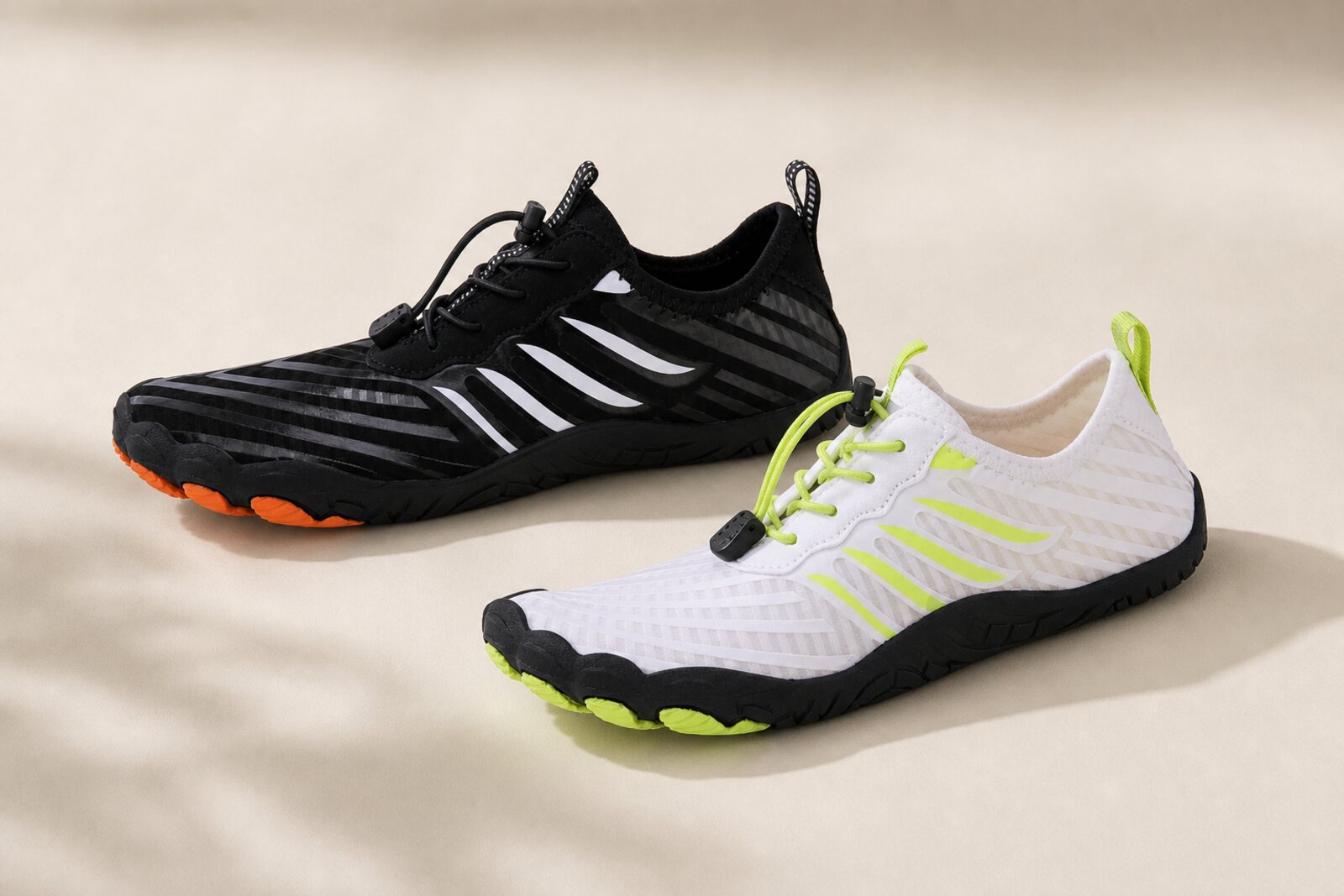
If you have a bunion, you already know the daily math: which shoes you can get through a day in, which ones leave the joint red and throbbing, and how few options seem built for the actual shape of your foot. Most of that pain isn't the bunion itself changing day to day — it's the shoe pressing on it. This guide compares six wide toe box shoes through one lens: how much room and how little pressure they put on that joint.
Why most shoes make bunions feel worse
Nearly all mainstream shoes taper to a point that's narrower than a human forefoot. That taper pushes the big toe inward — exactly the direction a bunion is already drifting — and puts the widest part of your foot in direct contact with the side of the shoe. Hours of that contact is what creates the rubbing, swelling, and end-of-day ache. A foot-shaped, wide toe box does the opposite: it lets the big toe sit straight and takes the shoe wall off the joint entirely.
Two honest caveats before the picks. No shoe corrects or shrinks a bunion — a roomier fit reduces aggravation and pressure, which for many people is the difference between thinking about their feet all day and not. And if a bunion is severe or rapidly worsening, that's a podiatrist conversation, not a shoe purchase.
What actually matters when buying for a bunion
Measured toe-box width at the widest point (not just a "wide" label), a flexible sole that doesn't fight the foot, a low or zero heel-to-toe drop so the forefoot isn't loaded downhill into the front of the shoe, and — because fit is everything here — a generous return or exchange policy so you can walk in them before committing.
- 1. Grounded Footwear Barefoot Shoes — Best Overall for Bunion Room
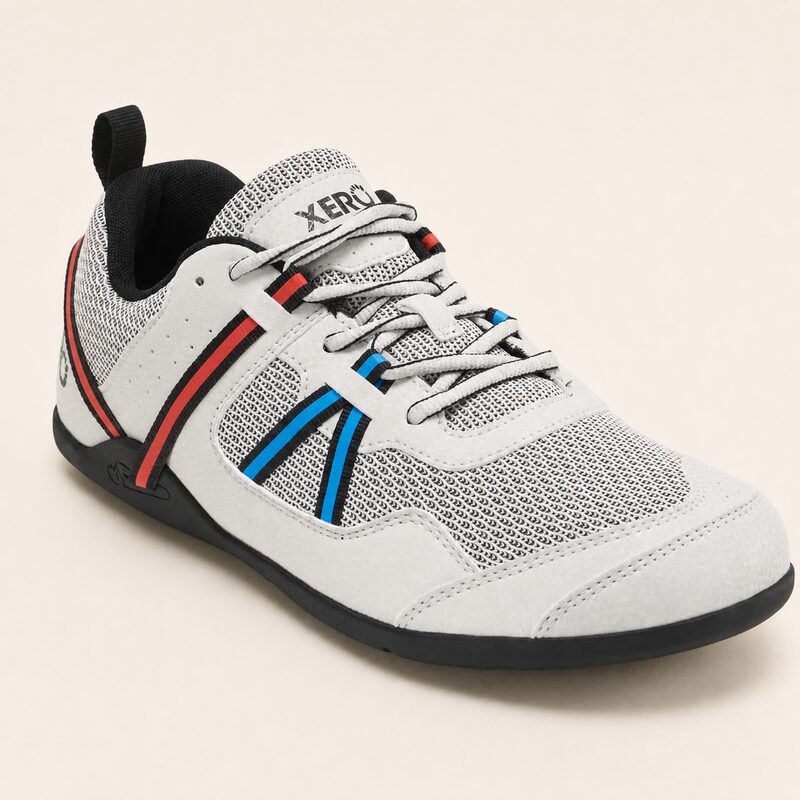
- 2. Xero Shoes Prio — Best for Everyday Wear
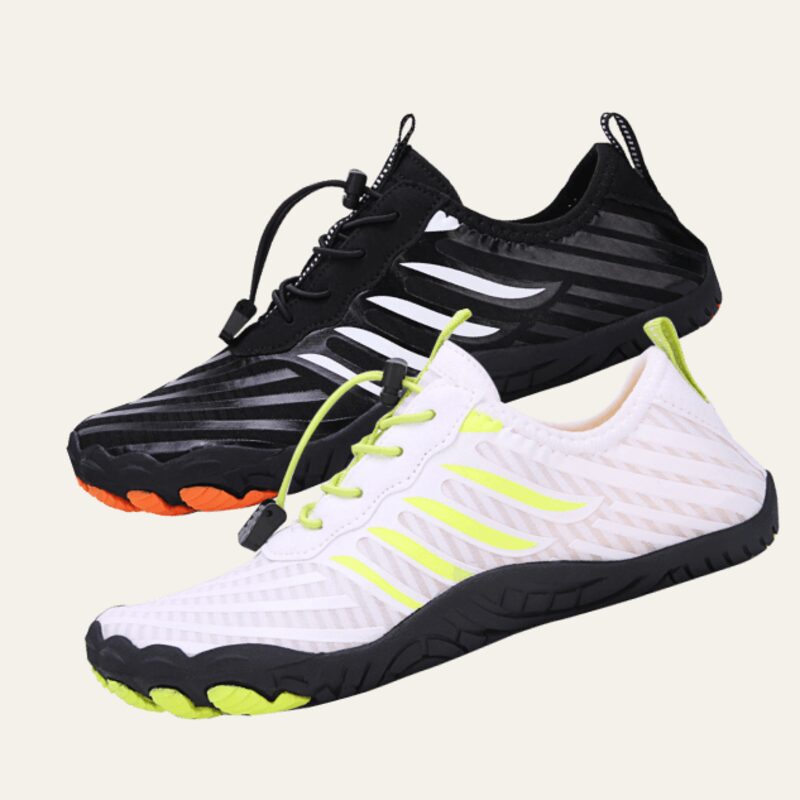
- 3. WHITIN Minimalist Trail Shoe — Best Budget Option
- 4. Merrell Vapor Glove 6 — Best for Active Use
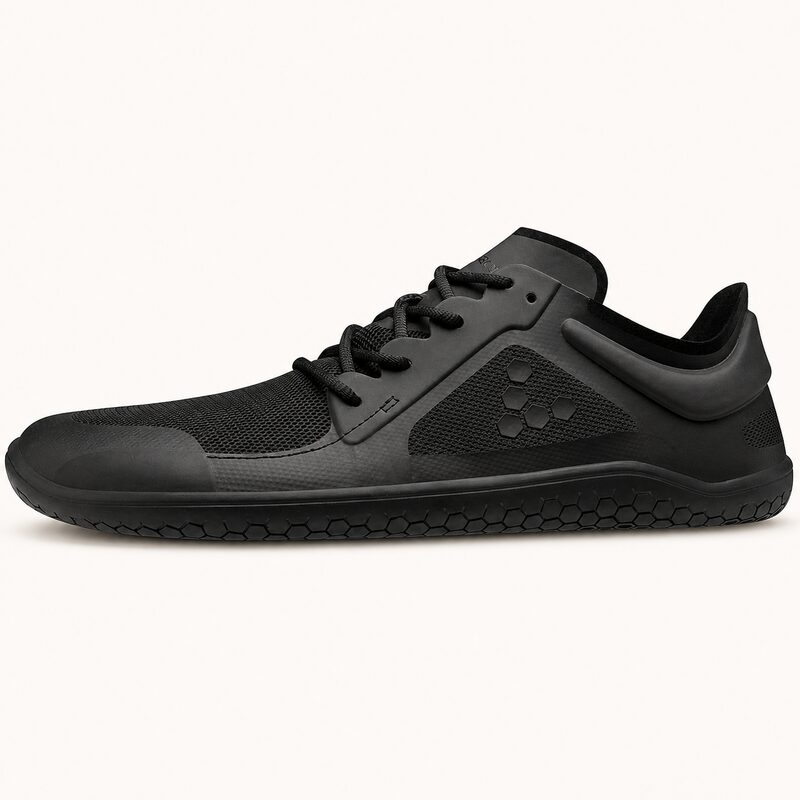
- 5. Vivobarefoot Primus Lite III — Best Premium Build
- 6. Harmony 783 Grounding Shoes — Best for the Grounding-Curious
Grounded Footwear Barefoot Shoes
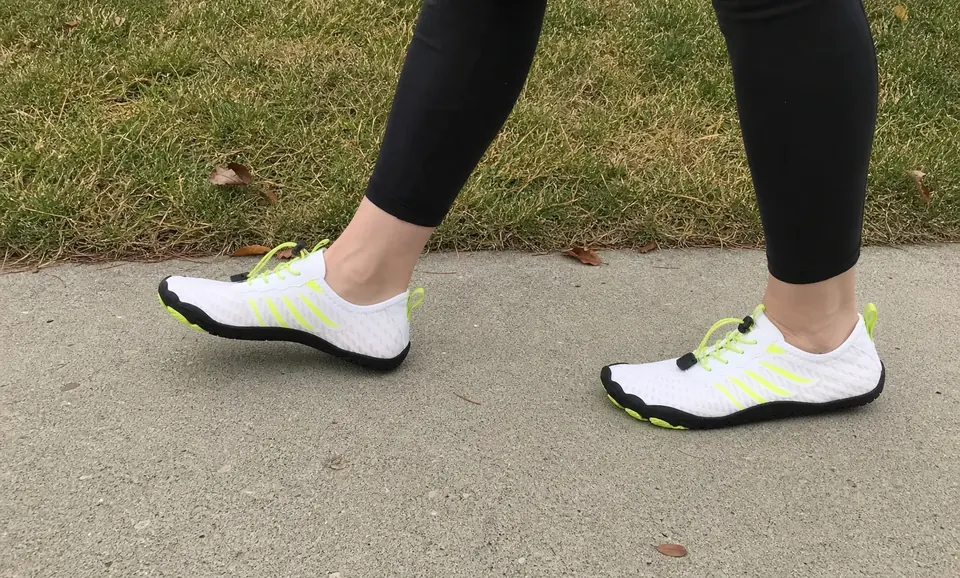
Grounded Footwear earns the top spot on this list for the single spec that matters most with a bunion: a genuinely wide, foot-shaped toe box that lets the big toe sit straight instead of being funneled inward. The last is cut to the shape of a spread forefoot, so the widest part of your foot — the part with the bunion — isn't in contact with the shoe wall at all in a properly sized pair.
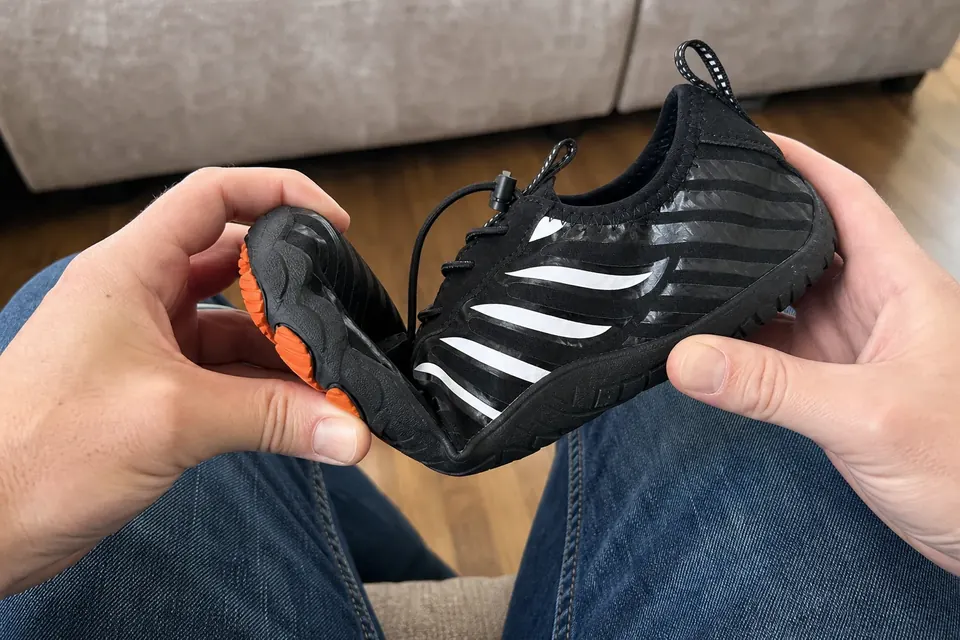
The rest of the build supports that fit rather than fighting it: a true zero heel-to-toe drop keeps the forefoot from being loaded downhill into the front of the shoe, and the thin, flexible sole lets the foot flex naturally instead of rolling rigidly onto the joint with every step. It's a light shoe — there's simply less material pressing back at you.
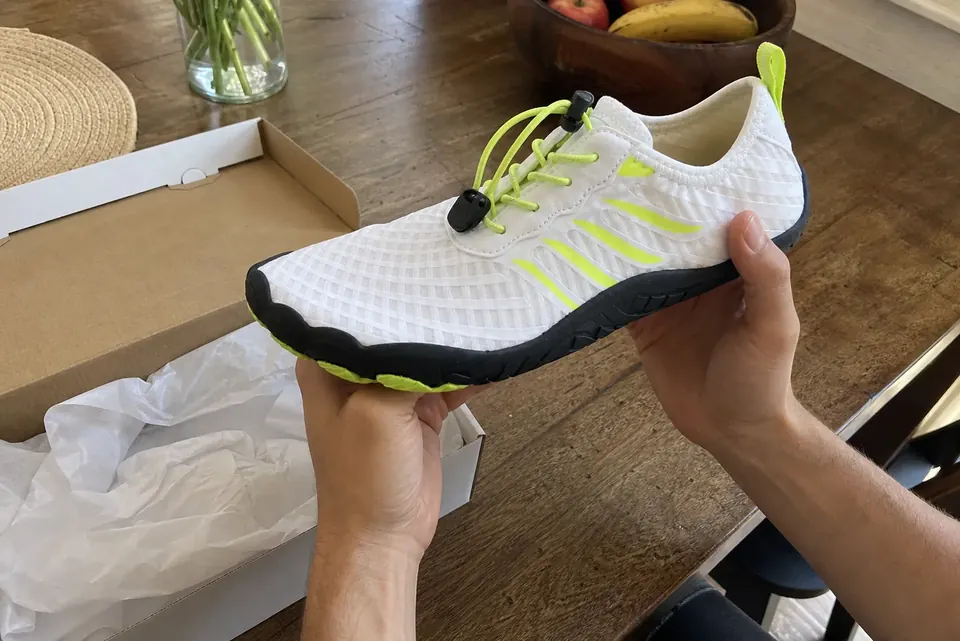
Fit risk is the practical worry when you can't try on first, and this is where the brand is stronger than most direct-to-consumer options: a 90-day money-back guarantee and free size exchanges, which for bunion buyers is effectively a home try-on. Worth restating plainly: this is a comfort and fit story, not a treatment — no shoe reduces the bunion itself, and this one doesn't claim to.
- Foot-shaped toe box takes the shoe wall off the bunion joint entirely
- Zero-drop platform and flexible sole avoid loading the forefoot
- 90-day money-back guarantee plus free size exchanges — effectively a home try-on
- Sold only through the brand's own website — no in-store try-on and not available on Amazon
- Minimal cushioning takes adjustment if you're coming from padded orthopedic-style shoes
- Sizing runs differently than standard sneakers; expect to use the size chart or the free exchange
Xero Shoes Prio
Xero Shoes is an established name in barefoot footwear, and the Prio is its general-purpose everyday model — built for walking, light gym work, and casual wear. It uses Xero's signature 5,000-mile sole warranty, a zero-drop platform, and a roomy toe box, wrapped in a breathable mesh upper noticeably lighter than a traditional sneaker.
The Prio's flexibility is closer to a true minimalist shoe than some "barefoot-inspired" hybrids, so the transition matters more here. People coming from cushioned running shoes often notice calf and Achilles soreness in the first few weeks — a normal adaptation, not a sign the shoe is wrong, but worth easing into gradually.
- 5,000-mile sole warranty, unusual for this price category
- Genuinely wide toe box and flexible, thin sole
- Lightweight and breathable enough for all-day wear
- Minimal cushioning means a real adjustment period for anyone used to standard sneakers
- Not much arch support, which some wide feet or flat feet find they need to build up to
- Amazon listings mix sellers and sizes, so check that it's sold and shipped by a verified seller before ordering
WHITIN Minimalist Trail Shoe
WHITIN's minimalist trail shoes target the price-conscious end of the category — a zero-drop, wide-toe design for hiking and trail walking without the cost of brands like Vivobarefoot. The sole gives real ground feedback while including a rock-plate-style layer for protection, and the upper is a hardier textile or leather blend built to hold up to dirt and moisture better than mesh.
Quality control is the tradeoff for the lower price. Stitching and sole bonding are generally solid but less consistent than in-house manufacturers, and sizing varies more pair to pair — worth reading recent reviews on the specific listing first.
- One of the more affordable ways into a true zero-drop trail shoe
- Wide toe box with reasonable trail protection built in
- Widely available on Amazon with fast shipping options
- Build quality and sizing consistency vary more than premium competitors
- Less arch support and cushioning for long, technical hikes
- Warranty and return support are more limited than direct-from-brand purchases
Merrell Vapor Glove 6
Merrell's Vapor Glove line has a longer track record in the minimalist running community than most competitors, keeping the formula that made earlier versions popular: an extremely thin, glove-like fit, a low-to-the-ground zero-drop sole, and a Vibram outsole for grip on pavement and light trail. It's built more for running or training than casual wear, though it works for both.
Because the sole is thinner than most shoes here, ground feel is excellent but protection from sharp gravel is lower — better suited to people with some minimalist-shoe experience than a first pair coming straight from max-cushion running shoes.
- Vibram outsole gives dependable grip for a shoe this thin
- Snug, glove-like fit that many minimalist runners prefer
- Long-standing model with a proven track record over multiple generations
- Very thin sole means less protection from sharp rocks or hot pavement
- Narrower overall fit than some competitors despite the barefoot toe shape
- Not the best first shoe for someone new to zero-drop footwear
Vivobarefoot Primus Lite III
Vivobarefoot is one of the more research-driven brands in this space. The Primus Lite III pairs a wide, foot-shaped last with a puncture-resistant but still flexible sole and a lightweight, breathable upper made from recycled or vegan materials — positioned as an everyday training and light-running shoe rather than trail or race use.
The tradeoff for the more refined construction is price, which sits above the other Amazon options here, plus a wide last that can feel unusually roomy to anyone used to a snug sneaker. Check Vivobarefoot's own size guide rather than assume your normal size translates directly.
- Puncture-resistant sole without sacrificing flexibility
- Recycled and vegan material options across most colorways
- Well-regarded foot-shaped last among long-time barefoot shoe wearers
- Priced noticeably higher than the other Amazon options on this list
- Wide last runs big for people used to standard sneaker sizing
- Amazon inventory and colorway availability shift more often than on Vivobarefoot's own site
Harmony 783 Grounding Shoes
Unlike most shoes on this list, Harmony 783 is built specifically around the earthing/grounding concept rather than barefoot mechanics alone. The construction uses a carbon-and-rubber conductive outsole paired with a silver-threaded footbed and lasting board, intended to create a conductive path between the wearer's foot and a grounded surface such as grass, soil, sand, or concrete. The uppers are a solution-dyed polyester the brand describes as lower-impact to produce than conventionally dyed fabric.
This is the pick to consider if the electrical grounding concept — not just zero-drop fit — is what you're after, since it describes an actual conductive pathway rather than a barefoot-style last alone. The same caveat applies across the grounding category: benefits attributed to earthing are plausible-sounding but not established by rigorous, independent research, and a conductive sole shouldn't be treated as a health intervention.
Because the shoes rely on an unbroken conductive path from footbed to outsole, wear and flexing can degrade that pathway in ways not obvious from the outside, and the styling leans toward fashion sneakers and flats rather than athletic or trail use.
- Actual conductive-sole construction, not just barefoot styling
- Lower-impact upper material compared to standard dyed polyester
- Wide range of styles, from sneakers to flats to boots
- Grounding/earthing benefits are not well established by independent research
- Conductive pathway can wear down over time with no easy way to verify it's still working
- Less suited to serious athletic or trail use than the other options on this list
How to choose barefoot or grounding shoes
Zero-drop and toe box basics
The two features that actually define a barefoot shoe are a zero (or near-zero) heel-to-toe drop and a toe box wide enough for the toes to spread naturally rather than taper to a point. Most fit complaints trace back to one of these two being off — either the drop isn't truly flat or the "wide" toe box is still narrower than a foot-shaped last.
The transition period is real
Going from a heavily cushioned shoe to a zero-drop, minimally padded one changes how your calves, Achilles tendon, and foot muscles work with every step. Mild soreness in the first one to three weeks is common as those muscles adapt; sharp or persistent pain is not, and is a signal to back off or check in with a podiatrist or physical therapist.
What "grounding" or "earthing" shoes actually claim
Grounding shoes are built to maintain electrical conductivity between your foot and the earth, on the idea that direct skin contact with the ground has measurable physiological effects. Some small studies report changes in markers like inflammation or sleep quality, but the overall research base is small, mixed in quality, and hasn't been replicated at scale. Treat grounding shoes as a low-risk personal experiment, not a proven health tool.
Sizing
Barefoot shoes run in a wider, straighter last than conventional sneakers, and most wearers need their true size rather than sizing up or down out of habit. Check the brand's size chart and lean on free-exchange or return policies rather than guessing on a first order.
Frequently asked questions
Are barefoot shoes bad for your feet?
Not inherently, but they change how your feet work. Anyone with existing foot conditions or significant flat feet should transition gradually and consider checking with a podiatrist first.
Do grounding shoes really work?
The mechanism — conductive contact between skin and earth — is plausible on paper, with a few small studies reporting changes in inflammatory markers or sleep quality. But rigorous, replicated evidence isn't there yet. Trying one out of curiosity is reasonable; expecting it to treat a health condition is not.
How long does it take to adjust to zero-drop shoes?
Most people report two to four weeks, longer if they're also increasing activity level. Shorter daily wear at first tends to reduce soreness.
What's the difference between "barefoot" and "grounding" shoes?
Barefoot shoes are defined by mechanics: zero drop, wide toe box, thin flexible sole. Grounding shoes add a conductive pathway meant to connect the wearer to the earth's electrical charge. Most brands combine both, but the two concepts are distinct.
Bottom line
For the clearest expression of core barefoot design plus a straightforward return policy, Grounded Footwear is the most complete pick here. Runners and experienced minimalist-shoe wearers may prefer the Vapor Glove 6 or Primus Lite III, while the Prio and WHITIN trail shoe cover everyday and budget trail use. If the electrical grounding concept is specifically what draws you in, Harmony 783 is the one option built around that feature — with realistic expectations about what the evidence does and doesn't support.
Our rankings and editorial scores consider product specifications, aggregated owner feedback, availability, drawbacks, and commercial relationships. Compensation may affect inclusion or ordering; scores are our own assessments and are not Amazon or customer ratings. Commercial relationships do not permit unsupported product claims. Read more about how we review.



 Free Size ExchangesUse the official size guide first